Discovering Go-Maata: A Visit Back to the Vedas The veneration of the cow in the Indian subcontinent is frequently interpreted through the lens of agrarian economics or post-Vedic socio-religious developments. However, a return to the foundational texts of the Shruti tradition—specifically the Vedic Samhitas—reveals a profoundly more complex paradigm. In the Vedas, the cow (Go) transcends pastoral utility to become a central cosmological metaphor, representing the highest principles of nourishment, cosmic order (Rta), and the luminous nature of knowledge itself. The Lexical and Epistemological Dimensions of Go To understand the Vedic conception of the cow, one must first examine the multi-layered etymology of the Sanskrit root go. In the Nirukta (etymological glossary) and traditional Bhashya literature, go denotes not only the physical bovine but also 'ray of light', 'speech' (Vak), and 'the earth'. This polysemy is not a linguistic accident but a deliberate epistemological framework. When the Rig Veda invokes the Go, it frequently operates on a dual register. The physical cow yields milk, which sustains the physical body and provides the havis (oblations like ghee) essential for the Yajna (sacrifice). Simultaneously, on the Adhyatmika (spiritual) plane, go represents the rays of knowledge that dispel the darkness of ignorance (Ajnana). The "cows" rescued by Indra from the cave of the demon Vala are universally interpreted by classical commentators as the rays of dawn or the illumination of divine truth being liberated from the confines of inertia and darkness. Yajna and the Cosmic Ecology In the Vedic worldview, creation is sustained through an interdependent cycle of cosmic reciprocation known as Yajna. The cow is the material anchor of this ecological and spiritual cycle. The offerings of milk, curd, and ghee act as the medium through which human beings nourish the Devas (cosmic forces). In return, these forces regulate the seasons and rainfall, ensuring the flourishing of the earth. The Atharva Veda elevates the cow to the status of a cosmic blueprint. In the famous Vasha Sukta, the cow is described as encompassing the entire universe; the deities reside within her limbs, and her very existence is woven into the fabric of time and space. She is equated with Aditi, the primordial, boundless mother of the gods, representing the infinite expanse of consciousness and the unbroken, generative power of nature. Aghnya: The Inviolable Principle of Sustenance A critical epithet used for the cow in the Rig Veda is Aghnya—meaning "that which must not be killed" or "the inviolable." This term appears numerous times across the mandalas, establishing a normative ethical standard rooted in profound gratitude. The Vedic seers recognized that the cow’s continuous contribution to human survival—giving unselfishly of her milk while consuming only the simplest grasses—embodied the highest ideal of Nishkama (selfless) contribution to the world order. This inviolability is not merely a moral injunction but a recognition of the cow's structural role in sustaining civilization. To harm the Aghnya is to disrupt the Rta, the fundamental rhythm of existence. By designating the cow as mother (Go-Maata), the Vedic civilization codified a paradigm of reverence for all life-sustaining forces. Motherhood, in this context, is defined not solely by biological birth, but by unconditional nourishment. The Vedic discourse on the cow is ultimately a masterclass in seeing the macrocosm within the microcosm. The physical animal grazing in the pasture becomes the ultimate pedagogical tool to teach humanity about selflessness, the cyclical nature of cosmic energy, and the radiant nature of divine knowledge.


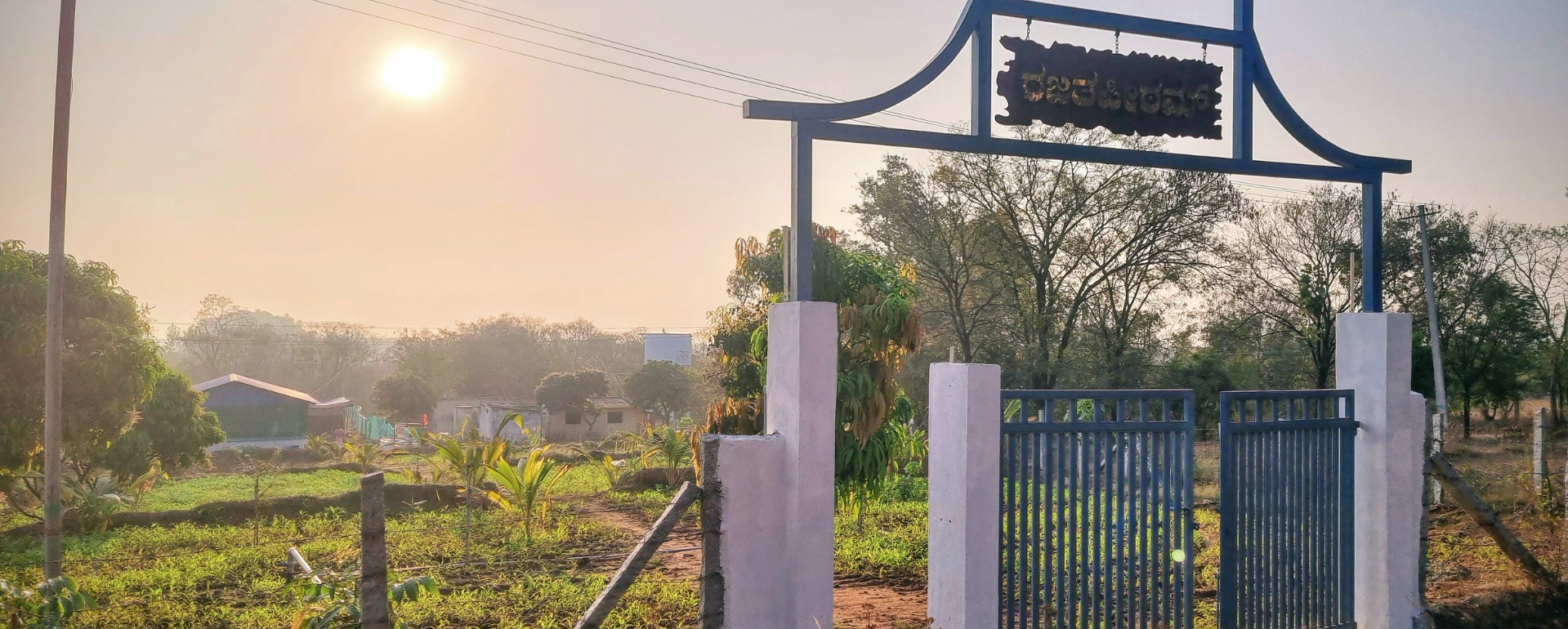
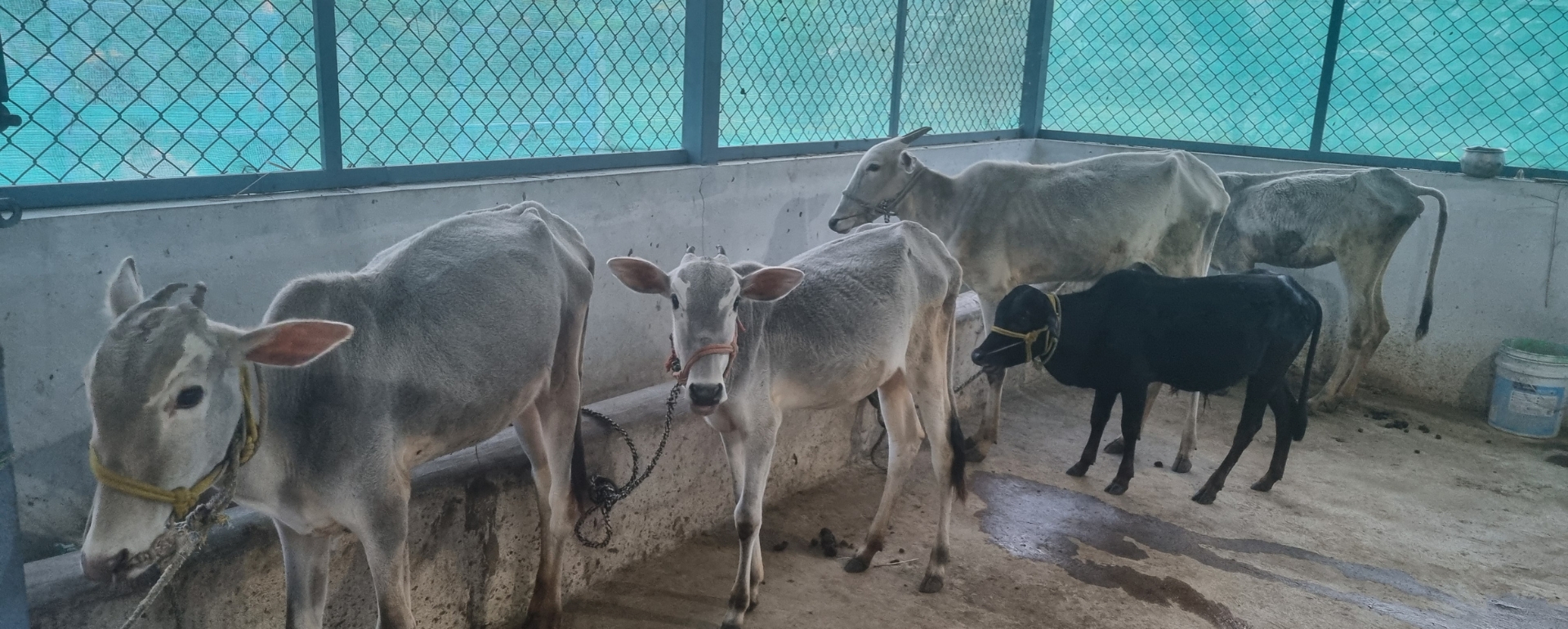
I have recently visited the Goshala. The facility is very hygienically maintained.

A serene environment. Must visit. I wholeheartedly support this.

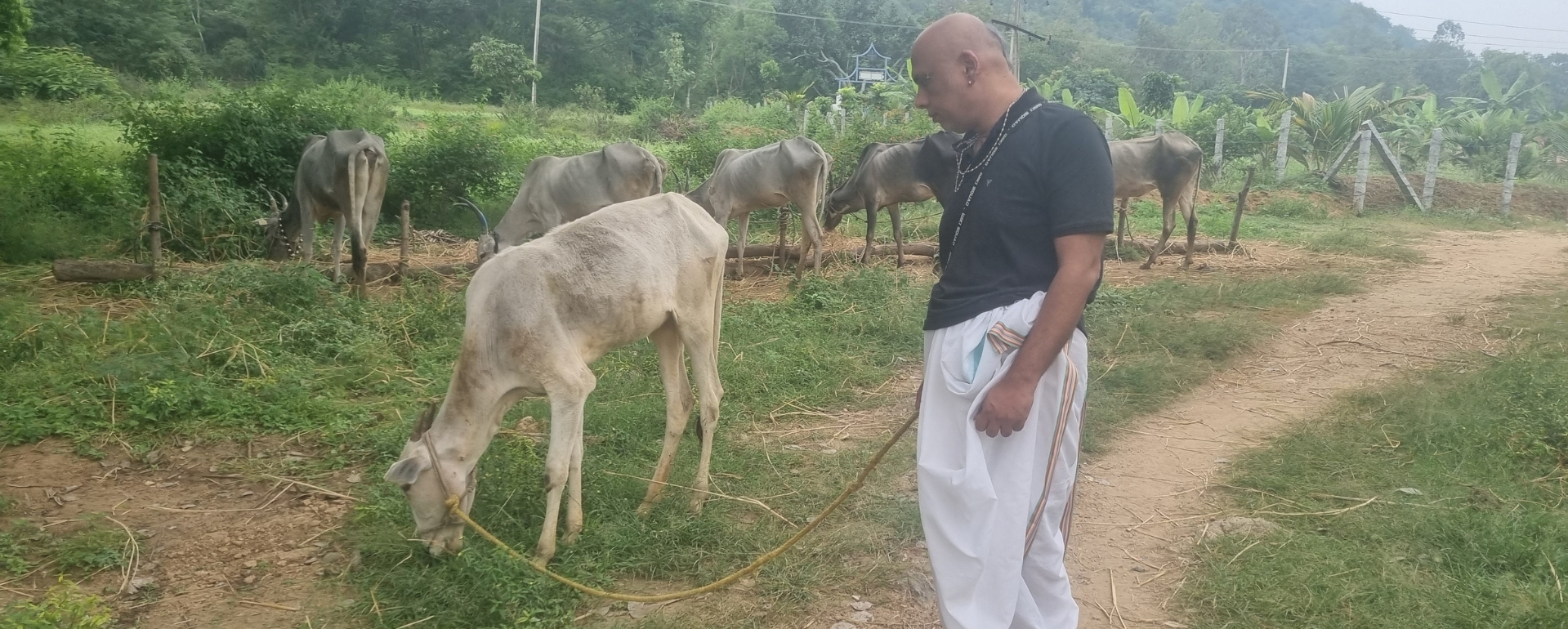
I like to serve the Cows very much. I visit the Go-shaala along with my Gurukula friends and serve once in a week..